

Real-time Data Processing in Finance: Turning Milliseconds into Decisions
Selected theme: Real-time Data Processing in Finance. Welcome to a practical, story-driven dive into how streaming data, low-latency engineering, and resilient architecture turn raw market signals into confident actions across trading, risk, payments, and compliance.
Why Real-Time Matters on the Trading Floor
In modern electronic markets, a few milliseconds can widen spreads, shift order book depth, or trigger cascading cancellations. Real-time processing keeps models synchronized with reality, ensuring pricing, hedging, and routing adapt as conditions unfold rather than after slippage already hurts performance.
Why Real-Time Matters on the Trading Floor
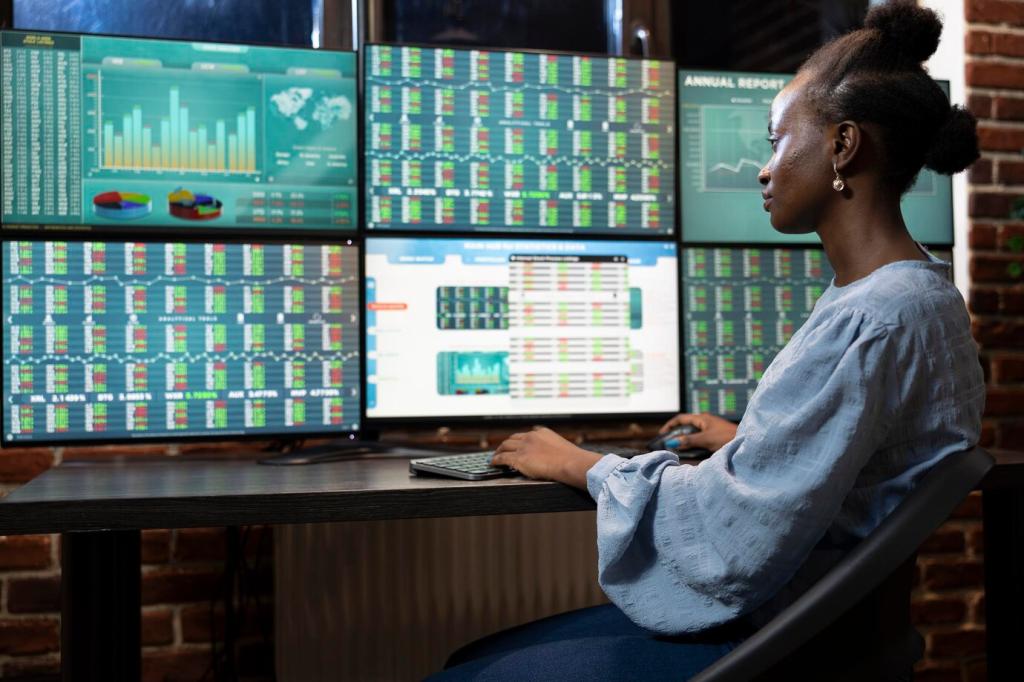
At the open, a junior trader watches futures gap while a streaming dashboard recomputes greeks and inventories on each tick. A rapid alert flags concentration risk before the manager even asks. Real-time processing turns stress into clarity, guiding action while opportunities are still alive.


Architecture: From Ingestion to Action
Streaming Pipes That Never Sleep
Market data, orders, payments, and reference updates stream through durable buses like Kafka or Kinesis. Partitioning preserves throughput, while keys align related events for ordered processing. Schema registries guard compatibility so upstream changes never silently corrupt downstream logic in volatile market windows.

Stateful Processing With Purpose
Frameworks like Flink or Spark Structured Streaming maintain state per instrument, account, or customer. Event-time windows capture reality, while watermarking tolerates late data without freezing throughput. Exactly-once guarantees and idempotent sinks keep positions, balances, and risk metrics accurate under retries and partial failures.
Data Quality and Governance at Stream Speed
Avro or Protobuf with a schema registry prevents dangerous drift. Producers publish contracts, consumers validate fields, and compatibility rules catch risky changes. This discipline preserves stable calculations for PnL, limits, and liquidity even as new data sources and instruments join the stream.

Data Quality and Governance at Stream Speed
Idempotent writes, transactional sinks, and deterministic keys reconcile retries with precision. When bursts hit or nodes fail, deduplication safeguards balances and exposures. The outcome is boringly correct numbers, which is exactly what audit committees, regulators, and risk chiefs want during volatile sessions.
Time, Clocks, and the Truth of Events
Event Time Versus Processing Time
Out-of-order messages happen. Event-time windows, watermarks, and allowed lateness model the real sequence of trades and quotes. This preserves fair metrics like VWAP and realized volatility, which otherwise drift when networks jitter or a venue briefly lags under heavy auction traffic.
Clock Sync in the Wild
PTP with GPS discipline and tight monitoring narrows drift across colocation sites and clouds. Tagging events with synchronized timestamps prevents subtle arbitrage in risk metrics. When time is coherent, cross-venue analytics behave, and reconciliation stops producing expensive mystery mismatches.
Your Timing Story
Have you battled phantom late data or watermark settings that starved throughput? Tell us what finally stabilized your windows. Your lessons can help another team avoid chasing invisible timing ghosts during a stressful market surge or a thorny post-merge integration.

From Exposure to Action
Position limits, margin, and liquidity heatmaps update on every fill. When a threshold trips, playbooks trigger: hedge, throttle, or escalate. Real-time processing keeps controls preventative, not forensic, protecting capital while leaving room for intelligent risk-taking under pressure.
Patterns and Anomalies That Matter
Streaming ML flags anomalous transfers, bursty login patterns, or price manipulation attempts. Features update per-entity with sliding windows, while feature stores keep training and inference consistent. Precision increases as context grows, reducing noisy alerts that burn analyst time and credibility.
Human-in-the-Loop Done Right
Analysts review enriched alerts with full event history, then provide structured feedback. That feedback closes the loop, tuning thresholds and models in near real time. Tell us how you balance automation with oversight so genuine issues surface without overwhelming your best people.
Latency Budgeting That Holds
Allocate time across ingest, compute, and serve, then instrument each hop. GC tuning, serialization choices, and vectorized math carve microseconds. By watching p99 and p999, you safeguard real traders and customers, not just comfortable averages that fail the moment volatility arrives.
Backpressure as a Helpful Signal
When queues swell, backpressure exposes mismatches in downstream capacity. Instead of masking symptoms, scale processors, reshape keys, or split hot partitions. Treat pressure as telemetry that guides redesign, preserving low latency even during outsized market bursts and audit-heavy reconciliation windows.
Share Your Benchmarks
Which workloads define your envelope: quote bursts, payments spikes, or massive end-of-day reconciliations gone real-time? Post your setups and p99 targets. We will aggregate community benchmarks to reveal practical configurations that deliver speed without lighting the budget on fire.

Case Study: From Overnight Batches to Streaming Clarity
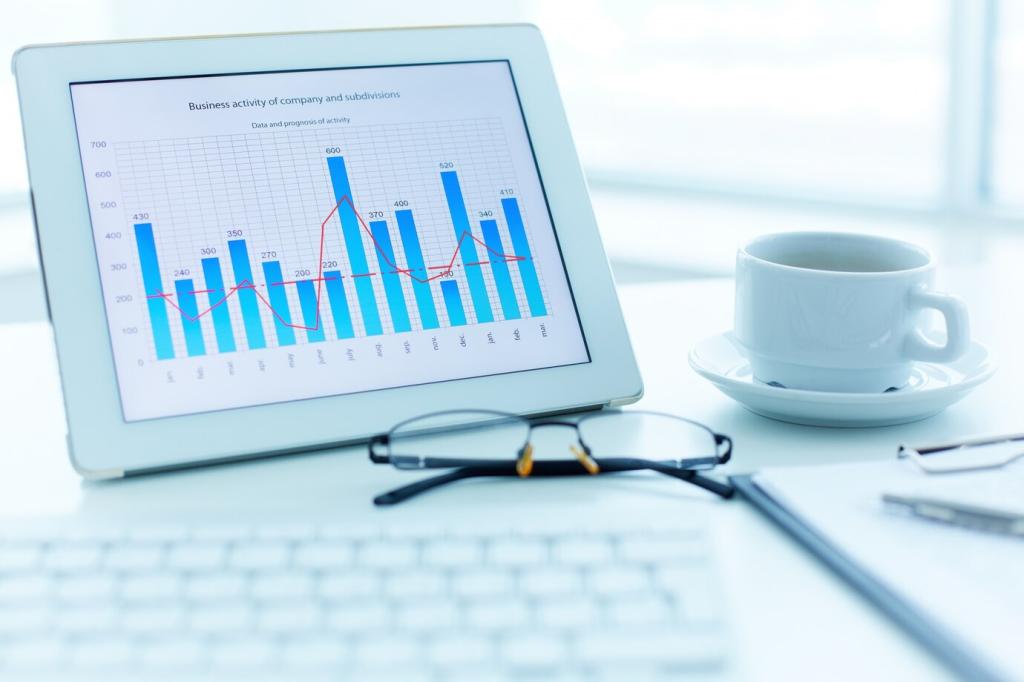
A bank relied on nightly batches for risk. Traders carried blind spots, and compliance chased recon breaks. Leaders set a mandate: build a streaming backbone that speaks one language across desks, with golden schemas, lineage, and measurable latency budgets that survive peak days.
Case Study: From Overnight Batches to Streaming Clarity
Pilot streams fed live greeks and intraday liquidity maps to a limited desk. Early wins earned trust: fewer breaks, faster hedges, and calmer mornings. Exactly-once sinks and idempotent reconciliation convinced auditors that correctness and speed could finally coexist beyond slideware.